
 Flights
 Hotels
 Holidays
Tokyo, Kyoto, food and seasons
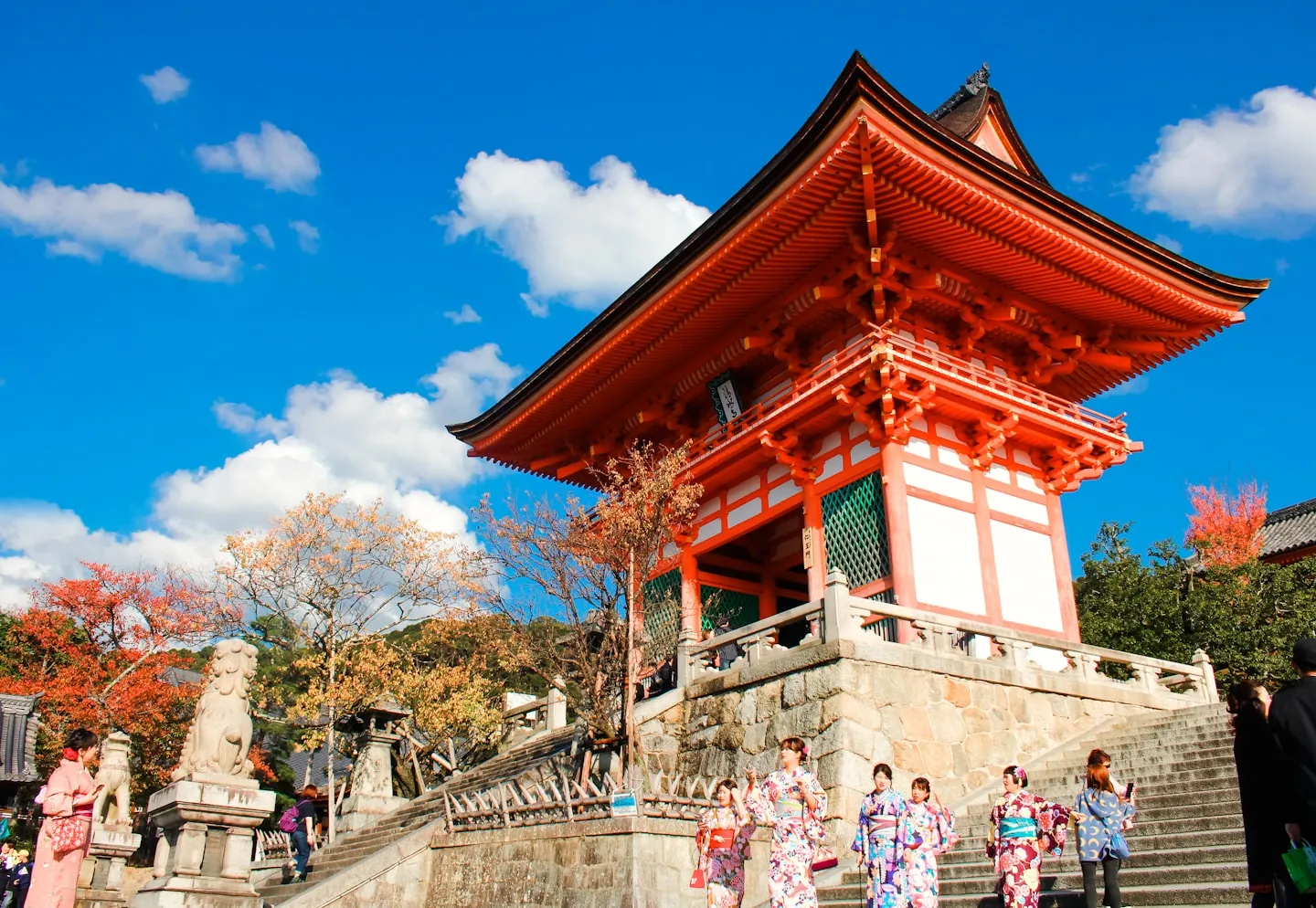
Japan feels precise, layered and deeply rewarding when planned well. Tokyo is not just one city; it is many moods inside one rail network. Kyoto is temples, gardens and old lanes. Osaka is food and neon energy. Mount Fuji is weather-dependent magic. The challenge for Indian travellers is not whether Japan has enough to see; it is how to sequence the route without losing time to station confusion, hotel changes and overambitious day trips.
Japan rewards planning more than almost any other destination. Staying within a few minutes of a rail station changes the whole trip, a rail pass only pays for itself on certain routes, and the season moves both prices and crowd levels sharply. Start the visa well before cherry blossom or autumn dates, because those windows fill early and the flights go with them.
Best places to visit in Japan
You will not fit all of these into one trip, and you should not try. The itinerary that works is the one where your flights, hotel bases and visa timeline all point at the same route. Travelling with parents, young children or first-time international travellers? Cut the number of hotel changes and stay in areas with easier transport, even if it costs a little more per night.
Tokyo
Tokyo needs at least three full days for Shibuya, Asakusa, Shinjuku, Ginza, TeamLab-style experiences, food streets and neighbourhood wandering.
Kyoto
Kyoto is best for Fushimi Inari, Arashiyama, Kiyomizu-dera, Gion and quiet temple mornings. Stay two or three nights to avoid rushing it.
Osaka
Osaka brings Dotonbori, street food, Universal Studios Japan and an easier evening mood. It also works as a base for Nara or Kyoto day trips.
Mount Fuji and Hakone
Fuji views are weather-dependent, so plan a flexible day. Hakone adds hot springs, lake views and slower scenery near Tokyo.
Nara
Nara is an easy cultural day with temples, parkland and deer. It pairs naturally with Kyoto or Osaka.
Hiroshima and Miyajima
A meaningful add-on for history, Peace Memorial Park and the floating torii at Miyajima. It needs time and should not be rushed.
Hokkaido
Hokkaido is ideal for snow, lavender fields, seafood and wide landscapes. It is a separate trip unless you have extra days.
Okinawa
Okinawa gives beaches and island culture, but it sits far from the classic Tokyo-Kyoto route and needs dedicated planning.
Suggested route from India
A first Japan route can be Tokyo for four nights, Kyoto for three, Osaka for two and one Mount Fuji/Hakone night if the season suits. If Universal Studios Japan is important, reserve a full Osaka day. Keep luggage forwarding in mind for smoother train travel. Book hotels near major stations such as Shinjuku, Ueno, Tokyo Station, Kyoto Station or Namba if you value easy movement over boutique charm.
Before you book, check whether your arrival city and departure city should be different. Open-jaw tickets can save backtracking on larger countries, while short-haul trips may work better with one simple return ticket. Also compare baggage allowance, airport transfer cost and hotel check-in timing because those details often decide whether a cheap fare is actually a good fare.
Visa process for Indian travellers
Indian passport holders generally need a Japan tourist visa unless a specific official eVisa or exemption route applies to their profile. Applications from India are commonly handled through Japan visa application centres or official channels listed by the Embassy/Consulates.
Prepare passport, visa form, photo, day-wise itinerary, flight and hotel details, bank statements, income tax documents, employment or business proof and leave approval where relevant. The itinerary should look believable, not copied from a generic package.
Japan visa guidance can vary by jurisdiction and application channel, so verify the current process through the official Japan/VFS guidance before booking non-refundable fares.
Official check before booking: Japan visa application guidance.
Flights, hotels and booking notes
Japan fares rise around cherry blossom, autumn colours, Golden Week and New Year. Compare Tokyo Haneda, Tokyo Narita and Osaka Kansai arrivals depending on the route.
Hotel rooms can be compact. For families, check bed size, room area and luggage space before booking. A station-adjacent three-star hotel can be more useful than a remote luxury bargain.
One more practical check for Japan: look at the local events calendar, school holidays, weather pattern and public transport hours before final payment. A destination can look affordable on the fare screen and become expensive because the best hotel area is sold out, a major festival has raised room rates, or the arrival time forces a private transfer. Build the plan in this order: visa timeline, flight gateway, hotel area, local transport, then paid attractions.
Do not choose a trip only from postcard places. The useful plan is the one that connects intent to action: the right trip length, the right visa timeline, sensible transport, hotels in the correct area and flights that do not make the first day miserable.
Ready to compare fares for this trip? Search FlyX with your preferred dates, then use this guide to choose the route and hotel area that fit your travel style.
Search flights on FlyXOther travel guides from India
Planning a different destination, or comparing two? These cover the same ground - visa route, best months, trip length and where the days are worth spending.